
 Newsletter Sign-Up
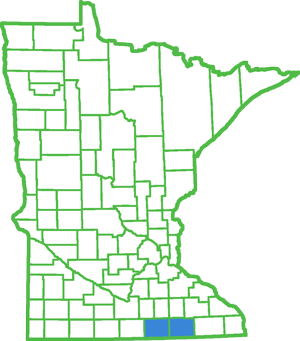
Habitat for Humanity Freeborn/Mower History
1993 - Our affiliate's first home was dedicated in Albert Lea
2002 - Opened one of the first ReStores in the state
2012 - Hired our first Executive Director
2013 - Began a partnership with the Austin HRA and Vision2020 known as CHIP
2014 - Relocated the ReStore to the Sterling Shopping Center
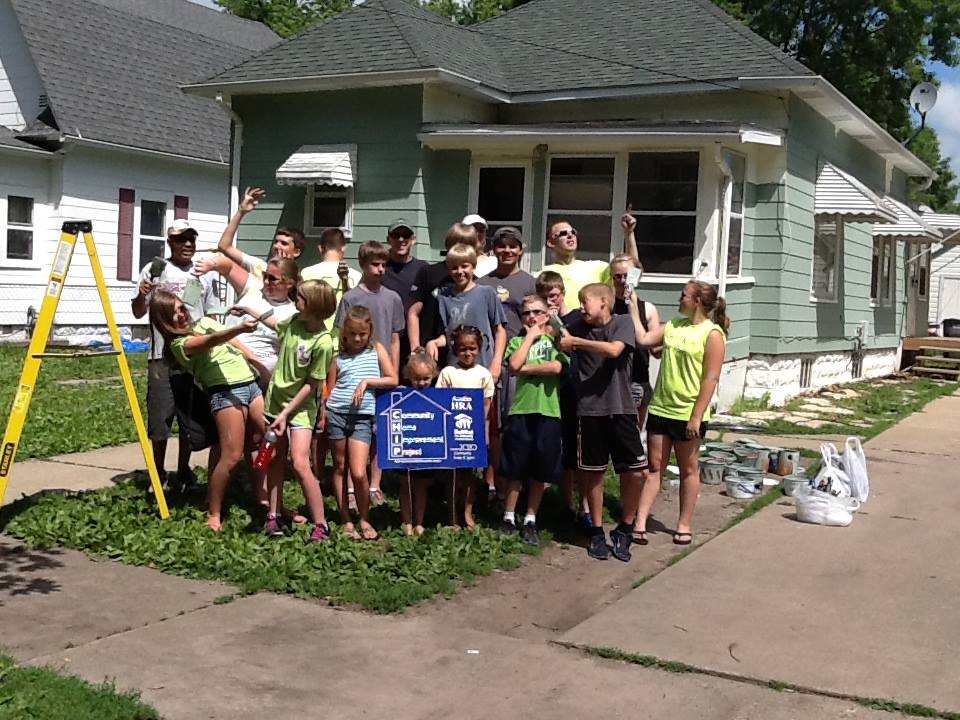
Habitat for Humanity Freeborn/Mower History
In 1991 a group of concerned citizens from Austin and Albert Lea got together to address the issue of poverty housing. It was decided that the best course of action was to become affiliated with Habitat for Humanity International. A Board of Directors was soon formed and the first home build was completed in 1993 in Albert Lea. Since then, the affiliate has built 33 homes and served more than 100 families through the home build and A Brush with Kindness programs. The ReStore , which began in a warehouse as one of the first ReStores in the state, has recently relocated to the Sterling Shopping Center in Austin and is a vital fundraiser for the affiliates efforts to serve low income families in need of safe, decent, and affordable housing.
Habitat for Humanity Int. History
Koinonia Farm
The concept that grew into Habitat for Humanity International was born at Koinonia Farm, a small, interracial, Christian community outside of Americus, Georgia.Koinonia Farm was founded in 1942 by farmer and biblical scholar Clarence Jordan. The Fullers first visited in 1965. They had recently left a successful business and an affluent lifestyle in Montgomery, Alabama to begin a new life of Christian service. At Koinonia, Jordan and Fuller developed the concept of "partnership housing." The concept centered on those in need of adequate shelter working side by side with volunteers to build simple, decent houses.
The Fund for Humanity
The houses would be built at no profit and interest would not be charged on the loans. Building costs would be financed by a revolving fund called “The Fund for Humanity." The fund's money would come from the new homeowners' house payments, no-interest loans provided by supporters and money earned by fund-raising activities. The monies in the Fund for Humanity would be used to build more houses.
Inception of Habitat for Humanity
In 1968, Koinonia laid out 42 half-acre house sites with four acres reserved as a community park and recreational area. Capital was donated from around the country to start the work. Homes were built and sold to families in need at no profit and no interest. The basic model of Habitat for Humanity was begun.
Zaire
In 1973, the Fullers decided to apply the Fund for Humanity concept in developing countries. The Fuller family moved to Mbandaka, Zaire (now the Democratic Republic of Congo.) The Fullers' goal was to offer affordable yet adequate shelter to 2,000 people. After three years of hard work to launch a successful house building program, the Fullers returned to the United States.
Expansion into Habitat for Humanity International
In September 1976, Millard and Linda called together a group of supporters to discuss the future of their dream. Habitat for Humanity International as an organization was born at this meeting. The eight years that followed, vividly described in Millard Fuller's book, “Love in the Mortar Joints,” proved that the vision of a housing ministry was workable. Faith, hard work and direction set HFHI on its successful course.
Phenomenal Growth
In 1984, former U.S. President Jimmy Carter and his wife, Rosalynn, took their first Habitat work trip, the Jimmy Carter Work Project, to New York City. Their personal involvement in Habitat's ministry brought the organization national visibility and sparked interest in Habitat's work across the nation. HFHI experienced a dramatic increase in the number of new affiliates around the country.
Habitat Today
Through the work of Habitat, thousands of low-income families have found new hope in the form of affordable housing. Churches, community groups and others have joined together to successfully tackle a significant social problem―decent housing for all. Today, Habitat has helped build or repair more than 600,000 houses and served more than 3 million people around the world.